
Code Threat
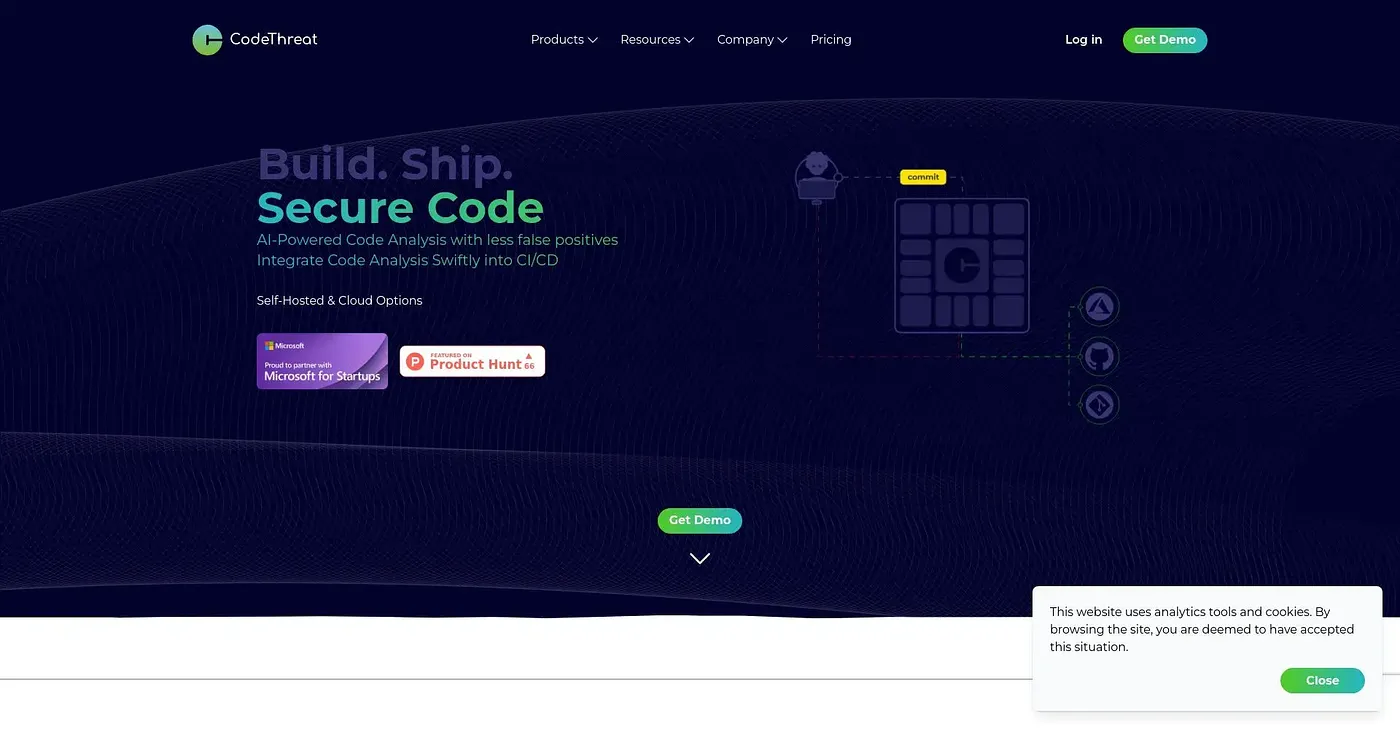
AI analyzes code, reducing noise and speeding up security reviews.
At a glance
4.0 out of 5
Scored by Alex after real useOur verdict
Automates SAST with AI to reduce false positives. Good for modern dev flows but lacks deep customization options.
✓What it does well
✕Where it falls short
Key features
Questions about Code Threat
What does Code Threat do?
Code Threat automates static application security testing (SAST) with AI to reduce false positives and speed up security reviews. It uses continuous learning to filter out non-exploitable issues, detects complex security issues missed by rule-based scanners, and brings all security checks into one place. It runs on the web.
How much does Code Threat cost?
Code Threat has a Free Plan at $0 per month. The Pro Plan costs $39 per contributor per month, and the Enterprise Plan is priced on contact. The reviewer notes that charging per contributor each month may be costly for small teams.
Does Code Threat review pull requests?
Yes. Code Threat's agentic PR review analyzes code changes at the pull request level as part of the code review process and highlights risks before merge. The reviewer lists it among the tool's main strengths, alongside AI-driven analysis that surfaces only meaningful findings.
What are the limitations of Code Threat?
The reviewer says Code Threat lacks deep customization options for complex security needs, and Toolio lists it as not for small teams with complex security needs. Its per-contributor monthly pricing may also be costly for small teams. It is best for dev teams needing quick, accurate security assessments, and Alex scored it 4.0 out of 5.
What are some alternatives to Code Threat?
Toolio lists Bytebot, XState, Testportal and Dynobase as alternatives to Code Threat. Bytebot boots a fresh, sandboxed computer to complete a described task across multiple apps, XState builds state machines with Stately, Testportal generates questions with AI, and Dynobase speeds up DynamoDB workflows with a GUI client.